As I show movies, primarily for Penfield Rec’s DEAR program, I post stuff here that might be of interest to students and attendees.
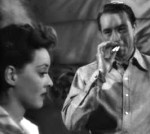
Tear Jerkers – We’ve all been moved by a movie (admit it, guys!). Some movies seem designed to turn on the waterworks – Terms of Endearment and Old Yeller come to mind. Others elicit emotion through less calculated means. Still others required hankies when they were made but might leave your eyes dry today. This series samples movies from the 1940s and 50s that were known at various times as tear jerkers. Some fall into the romance category, some deal with the aftermath of war, and at least one ticks both boxes. The movies are:
Random Harvest (1942)
Now, Voyager (1942)
Brief Encounter (1945)
The Best Years of our Lives (1946)
A Portrait of Jenny (1948)
Umberto D (1952)
An Affair to Remember (1957)

Heist Films – Heist (aka caper) movies, are a sub-genre of crime films that focuses on the planning, execution, and aftermath of an ambitious robbery from the perpetrators’ perspective. Tropes include a team of specialists, an impossible target, an ingenious scheme, fateful monkey wrenches, personality flaws, bad decisions, and hoping they get away with it. The first film to check all the boxes was John Huston’s film noir The Asphalt Jungle (1950), so we’ll start there and branch off into suspense, romance, comedy, international settings, and important details on how you can break into places! The films are:
The Asphalt Jungle (1950)
The Lavender Hill Mob (1951)
Rififi (1955)
The Killing (1956)
The Pink Panther (1963)
The Thomas Crown Affair (1968)
The Italian Job (1969)
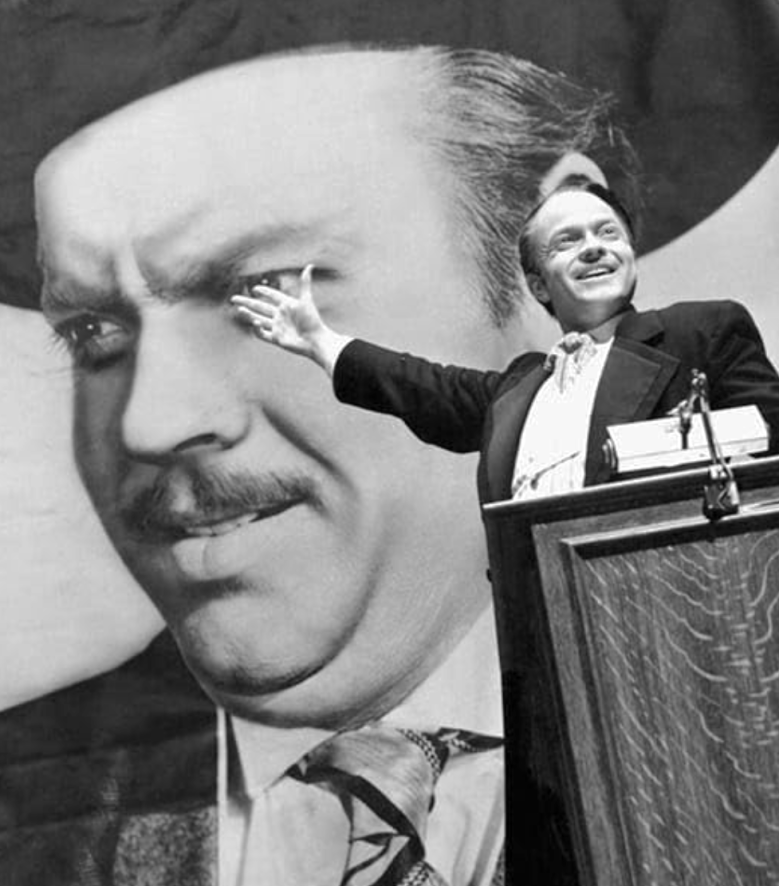
Citizen Kane (1941) – Released in 1941, Citizen Kane is hailed as one of the greatest films of all time. Orson Welles, in his feature film debut as both director and star, revolutionized cinema with groundbreaking storytelling, deep focus cinematography, a non-linear narrative, and innovative use of sound and editing. In this session, Al will delve into the intricate details and fascinating backstory of this cinematic masterpiece—connecting insights from his film series to provide a deeper understanding of Welles’ visionary creation.
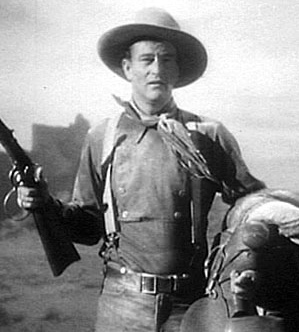
Westerns – There is no purer Hollywood film genre than the western. It arose at the beginning of American film making in the 1890’s, and it peaked from the 1940’s through 60’s. Since then, it has survived with sporadic successes, and its tropes have invaded other film genres. This series will sample 7 classic westerns from the peak period. Because it’s impossible to explore the western genre without tripping over John Ford and John Wayne, we’ll see 3 of Ford’s films, 2 starring Wayne. We’ll also see the film that arguably presents the purest embodiment of the western myth, a film that extended that myth to include ambiguous heroes, and a film that uses the western as an allegory for the Hollywood blacklist. We’ll end with a film that provides an ironic summation of the Hollywood western, from a European perspective. The films are:
Stagecoach (1939)
My Darling Clementine (1946)
Winchester ’73 (1950)
High Noon (1952)
Shane (1953)
The Searchers (1956)
Once upon a Time in the West (1968)
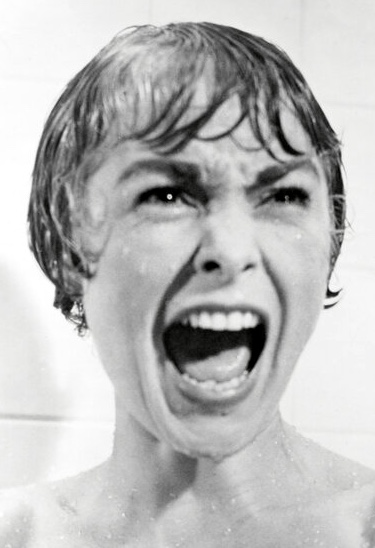
Horror through the Decades – This series samples seven horror films from the 1920’s to the 80’s. All have legitimately influenced the horror genre, if not film making in general, and one is a personal favorite that scared the heck out of me when I first saw it on TV. Prepare to be terrified!
The films are:
Nosferatu (1922)
Dracula (1931)
Cat People (1942)
Psycho (1960)
The Haunting (1963)
The Exorcist (1973)
The Shining (1980)
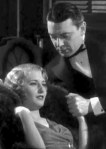
Pre-Code Films – Between the creation of the Motion Picture Production Code in 1930 and the beginning of its actual enforcement in 1934, Hollywood enjoyed a period of creative freedom, where films could depict more daring and controversial subjects such as sexuality, crime, and social issues without strict censorship. The outcry from conservative and religious circles over the more explicit content and provocative themes in these films led to the formation of the Production Code Administration under Joseph Breen, which slammed the door in mid-1934. This series will sample five pre-code films from different genres, and we’ll discuss why they were so notorious in their day.
The films are:
The Divorcee (1930)
Dr. Jekyl and Mr. Hyde (1931)
Red-Headed Woman (1932)
Scarface (1932)
Baby Face (1933)
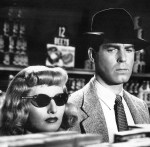
Film Noir, Part II – Back by popular demand! We’re picking up where we left off in the Fall of 2021, continuing our exploration of the film noir genre with seven more remarkable noirs from the classic period. This time, we’ll delve into films that fall within the prime noir period of 1944-1949. As per tradition, we’ll delve into the fascinating backstory of each film after our viewing experience.
The films are:
Double Indemnity (1944)
Murder, My Sweet (1944)
Detour (1945)
The Killers (1946)
The Big Sleep (1946)
Kiss of Death (1947)
D.O.A. (1949)

Biopics – Biopics are movies that dramatize events attributed to the lives of famous people. While many viewers regard them as primarily factual, they are works of fiction that often take extreme liberties with the lives of their subjects. This series will sample 7 biopics that range from the fairly factual to the outrageously white-washed.
The films are:
The Life of Emile Zola (1937)
Abe Lincoln in Illinois (1940)
They Died with their Boots on (1941)
Yankee Doodle Dandy (1942)
Pride of the Yankees (1942)
Ed Wood (1994)
The Imitation Game (2014)

So Bad They’re Good – We’ve all seen movies that are widely regarded as great movies, like Casablanca (1942) or Singin’ in the Rain (1952). We’ve also all stumbled into movies that were terrible, like North (1994), about which critic Roger Ebert wrote, “I hated this movie. Hated hated hated hated hated this movie. Hated it.” Some movies, however, are so bad, they’re fun to watch – they kind of wrap around bad and come out good. From grade Z Sci Fi like Plan 9 from Outer Space (1959) to Shirley Temple and Ronald Reagan in That Hagen Girl (1947), we’ll plum the depths of hilariously bad films in 7 installments.
The films are:
Plan 9 from Outer Space (1957)
Reefer Madness (1936)
That Hagen Girl (1947)
The Horror of Party Beach (1964)
The Conqueror (1955)
Jail Bait (1954)
Santa Claus Conquers the Martians (1964)
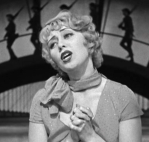
Musicals, More or Less – The movie musical is a genre that brings to mind Astaire/Rogers, Gene Kelly, and Judy Garland in feel-good movies like Top Hat, Singin’ in the Rain, and Meet in St. Louis. However, there also are films that are musical without being musicals in the traditional sense, and that is the focus of this series. From backstage musicals to rock movies, with stops in jazz-opera and under-represented artists, we’ll sample musicals, more or less.
The films are:
Gold Diggers of 1933 (1933)
Stormy Weather (1943)
The Red Shoes (1948)
Umbrellas of Cherbourg (1964)
A Hard Day’s Night (1964)
This Is Spinal Tap (1984)
All that Jazz (1979)

Great Films, Great Scores – Scoring music for films is fundamentally different from composing “art” or popular music. A good film score must fit the film and is not intended to stand on its own. That said, some film scores accomplish this goal so admirably that they deserve attention on their own. This series presents 9 films with notable scores by 9 different film composers. Before viewing each film we’ll point out things to listen for, and after each film we’ll discuss why the score and its composer are significant. Note: the last two films were added to link to the last two sessions in Jazzed about Jazz below. This series occurred at DEAR in spring, 2022.
The films were:
King Kong (1933) – The first great score
The Sea Hawk (1940) – Wall-to-wall music
The Bad and the Beautiful (1952) – Greatest movie theme
Forbidden Planet (1956) – First all-electronic score
Sweet Smell of Success (1957) – Jazz X 2
Vertigo (1958) – Best of Herrmann & Hitch
Chinatown (1974) – Jerry Goldsmith’s masterpiece
French Connection (1971) – Don Ellis scores
Elevator to the Gallows (1958) – Miles Davis improvises

Film Noir Series – Film noir is one of the most aesthetic and fascinating genres in cinema. Film enthusiasts will enjoy this series as we dive into the rich history of classic film noir and learn the creative and technical aspects that set it apart from the standard Hollywood movie. I showed this series at DEAR in the fall of 2021.
The films were:
Maltese Falcon (1941)
Laura (1944)
Out of the Past (1947)
Lady in the Lake (1947)
Gun Crazy (1950)
Kiss Me Deadly (1955)
Touch of Evil (1958)
 Al Biles